




Artikel: Is Merino Wool Good for Hiking?

Is Merino Wool Good for Hiking?
Short answer: yes, pretty much every time. Here's the fibre science behind why hikers keep coming back to merino, and how to get the most out of it on the trail.
Anyone who's hiked in the wrong fabric knows the feeling. Warm and smug for the first twenty minutes, then damp, chafed, and stuck carrying a jumper that's started smelling a bit off. Merino wool sorts most of that out, and it's been doing it for way longer than any of the "technical" fabrics on the shelf next to it.
Merino comes from Merino sheep, a breed prized for producing an unusually fine, soft fibre rather than the coarse wool most people picture when they hear the word. That fineness is the whole story. It's what lets merino do things that ordinary wool, cotton, and most synthetics simply can't.
What makes merino fibre different
Normal wool fibres are thick enough to feel proper scratchy on skin, which is why old jumpers are the enemy. Merino fibres are roughly a third the width, thin enough to bend instead of jab you, and that's why it feels soft rather than itchy. That same thin structure is also what makes it good at regulating temperature and moisture, which is the bit that actually matters for hiking.
It keeps you warm when it's cold, and cool when it's not
Merino fibres are naturally crimped, trapping tiny pockets of air that insulate against the cold. But the same structure is also breathable, so on a steady climb where you're working up a sweat, merino doesn't turn into an oven the way some insulating layers do. It's temperature regulating in both directions, which matters on a hike where the weather (and your effort level) can flip a few times before lunch.
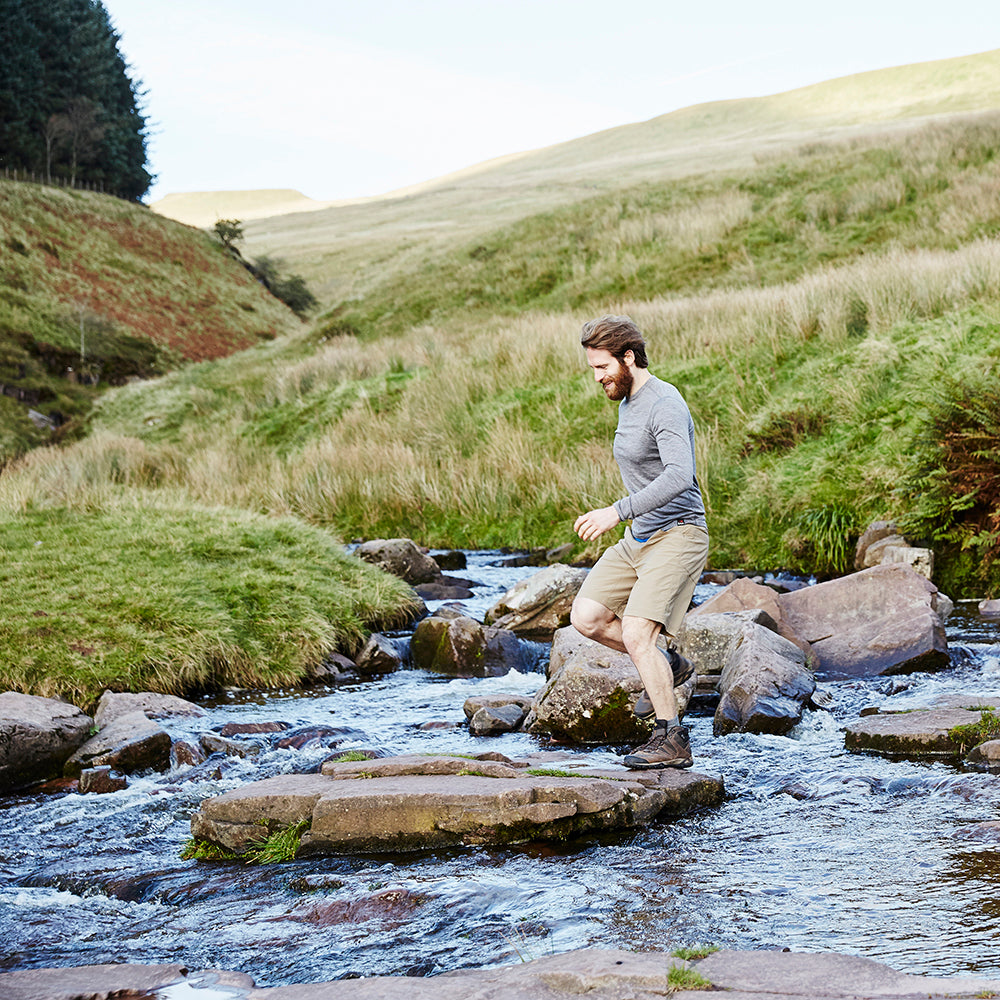
The fibre that keeps a sheep comfortable across a whole Alpine year is, unsurprisingly, quite good at handling a British hillside in changeable weather.
It doesn't hold onto sweat, or smell
Merino can soak up close to a third of its own weight in moisture before it even feels wet, because the sweat gets absorbed into the fibre and released slowly instead of just sitting on top of the fabric against your skin. That's a big part of why it stays comfortable through a long day.
The other part is odour. The same fibre structure that manages moisture also makes it a poor environment for the bacteria that cause post-hike whiff. Synthetic fabrics tend to hold onto that bacteria in the weave, which is why a polyester t-shirt can smell bad after one wear while a merino one can go two, three, or more days on the trail before it needs a wash.
Durability on the trail
Merino's reputation used to be fragile jumpers that pilled or holed after a few wears. Modern merino used in outdoor and hiking gear is now a lot tougher, often blended or reinforced at high-wear points like shoulders, elbows, and heels. Treated reasonably, a good merino base layer or hiking sock will comfortably outlast a season of regular walking.
Merino vs the alternatives
Here's how merino stacks up against the two fabrics most hikers are choosing between it and.
| Merino wool | Synthetic | Cotton | |
|---|---|---|---|
| Warmth when wet | Retains warmth | Retains warmth | Loses warmth fast |
| Odour resistance | Excellent | Poor to fair | Poor |
| Dry time | Moderate | Fast | Slow |
| Softness against skin | High (fine merino) | Variable | High when dry |
| Weight | Moderate | Light | Heavy when wet |
| Sun protection | Naturally UPF-rated | Variable | Low |
Cotton is really the one to avoid on any serious hike. Once it's wet, from rain or sweat, it stays wet and pulls heat away from your body, which is how "cotton kills" became a phrase hikers actually use. Synthetics dry quickest and are lighter, which suits fast, sweaty efforts, but they lose badly on odour over multiple days. Merino sits in the middle and, for most hiking, that middle ground is exactly where you want to be.
How to layer merino for a hike
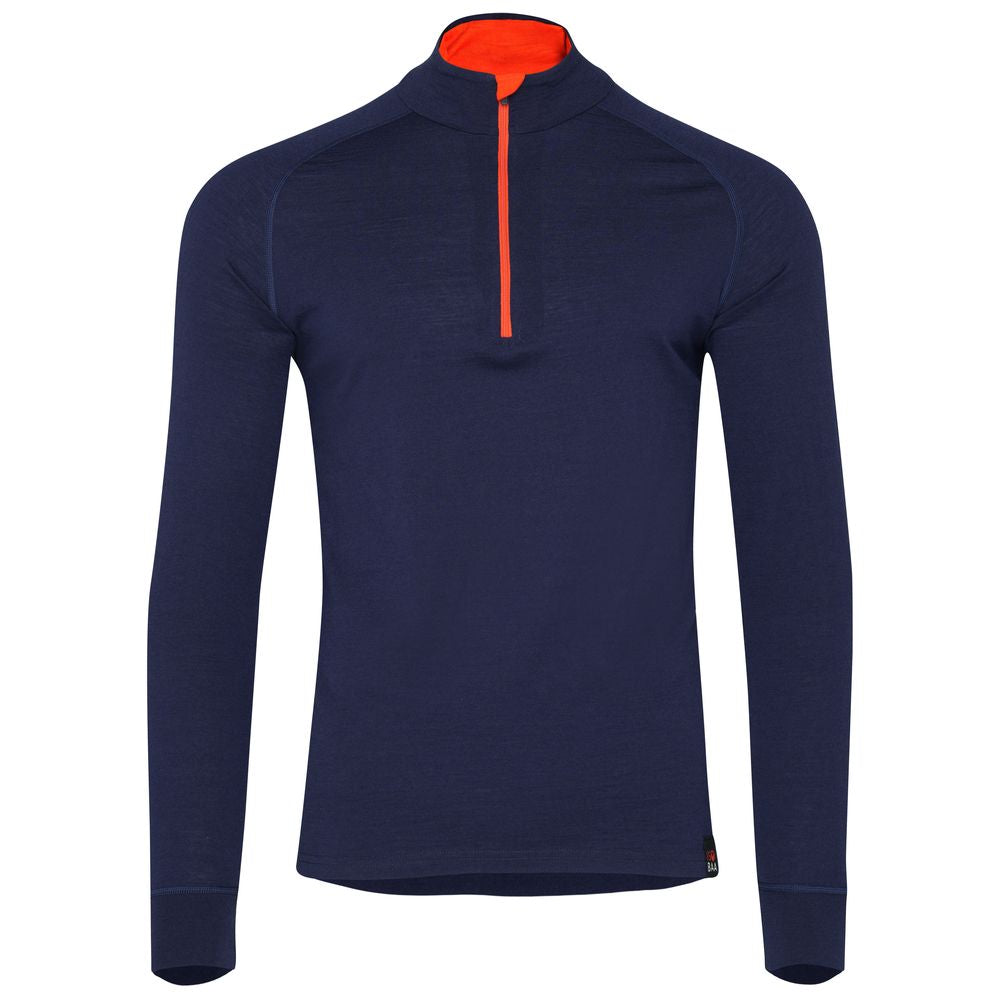
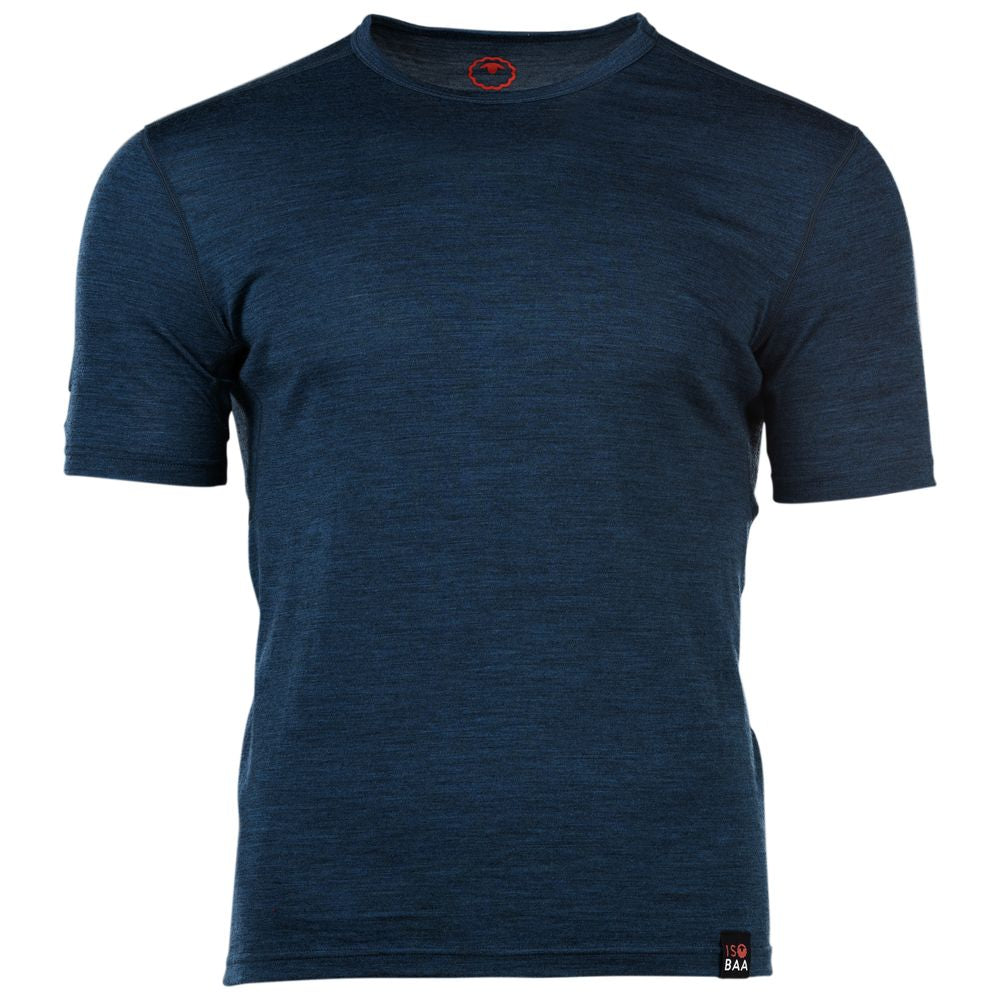
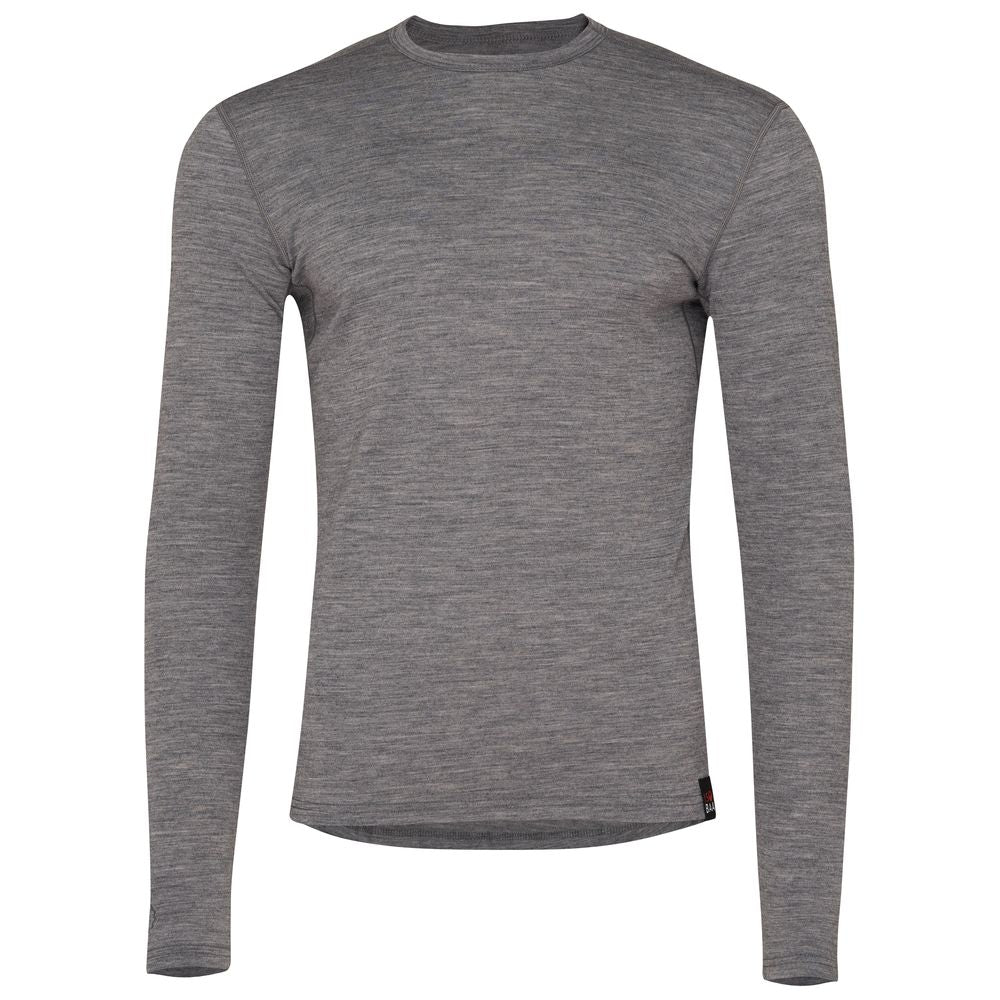
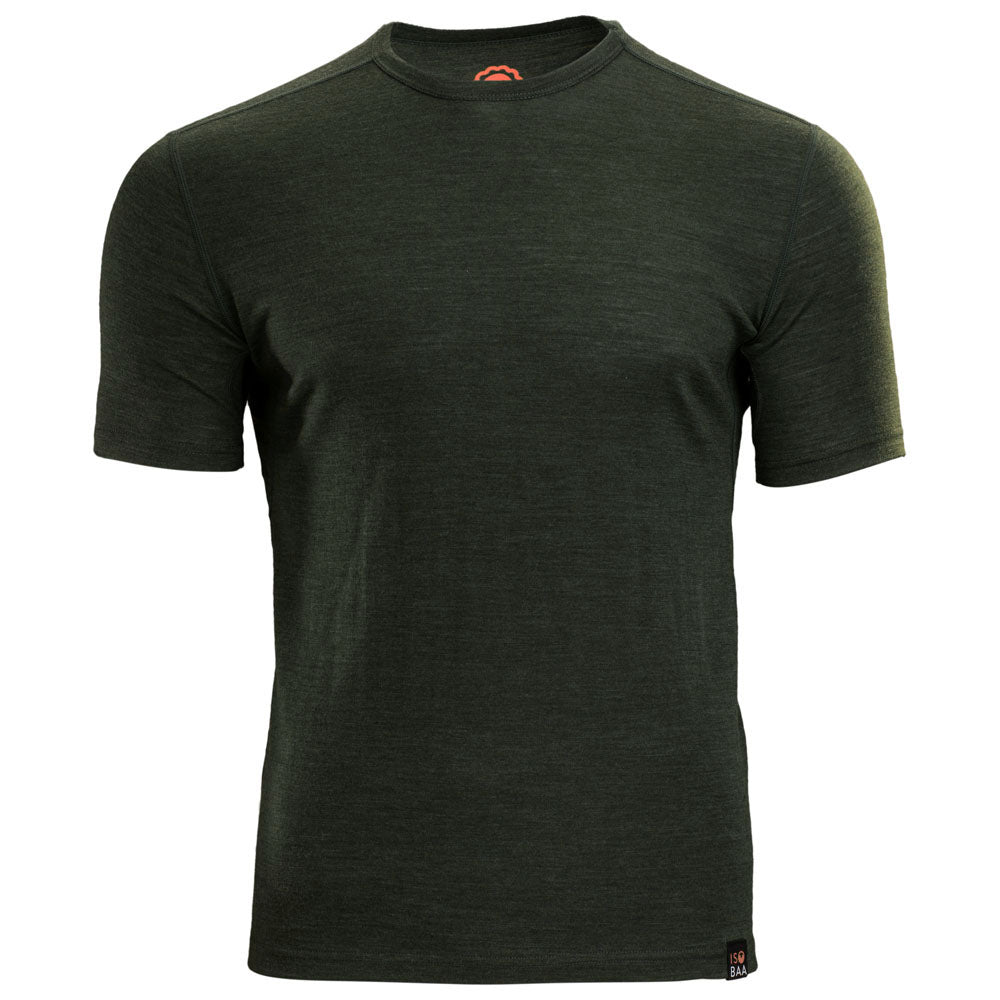
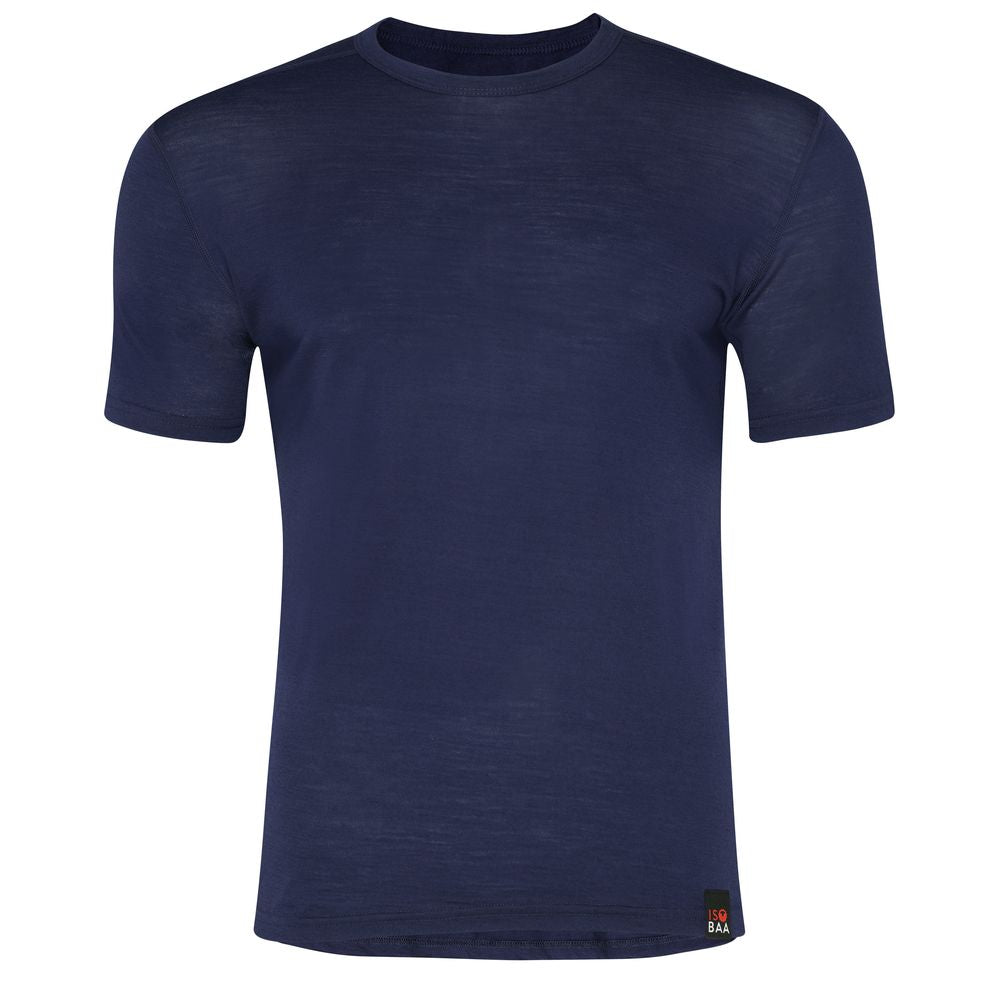
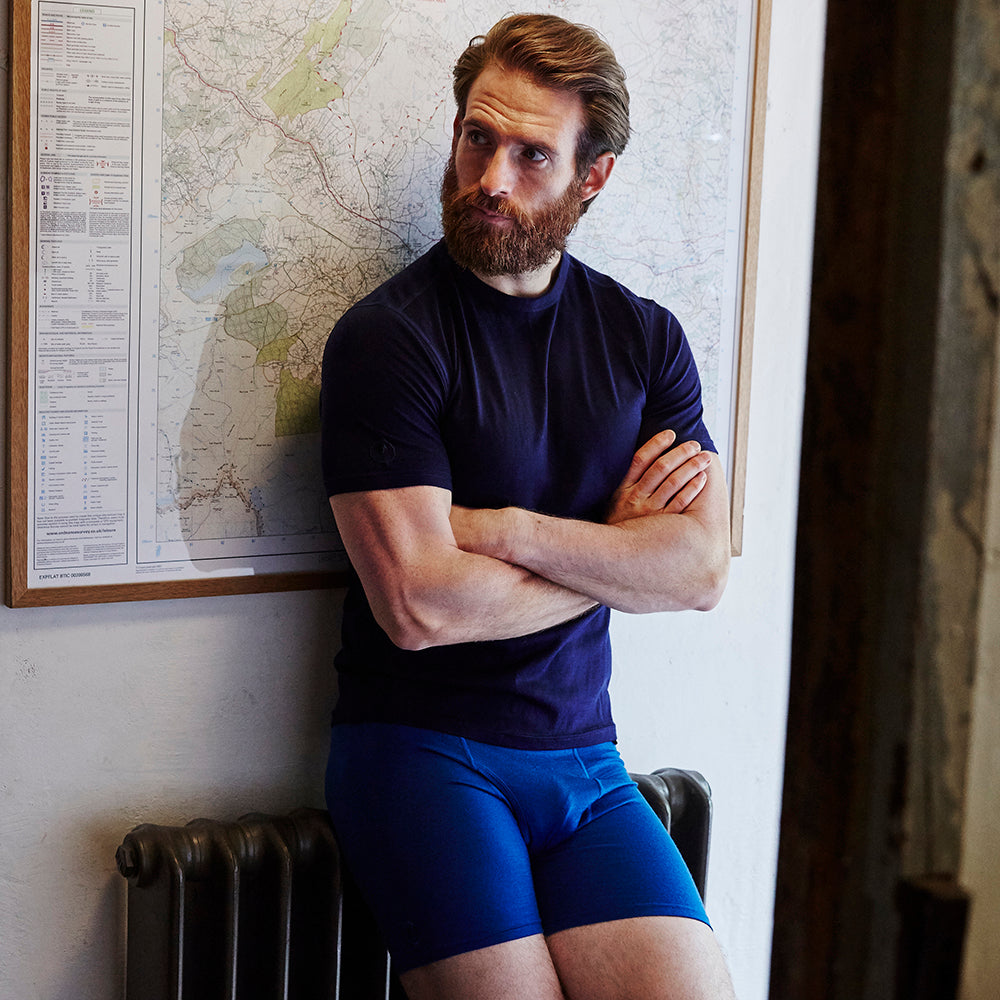
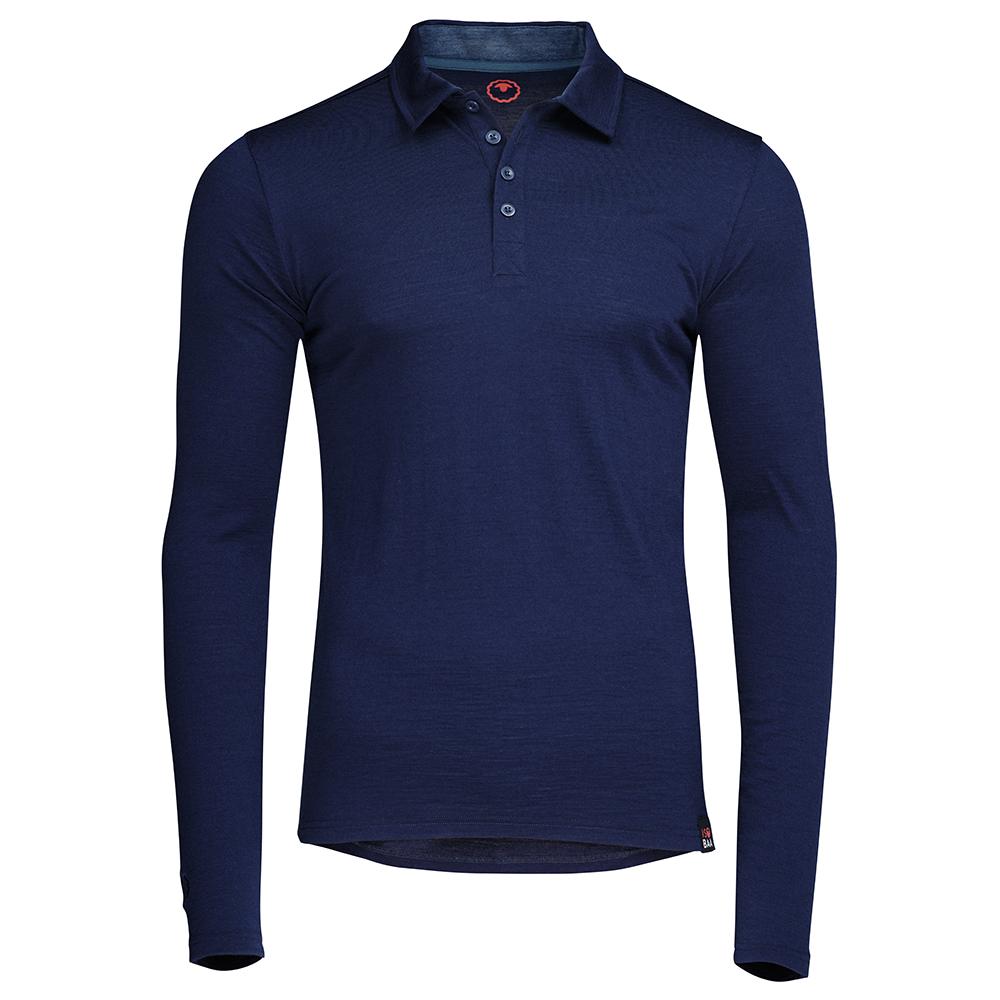
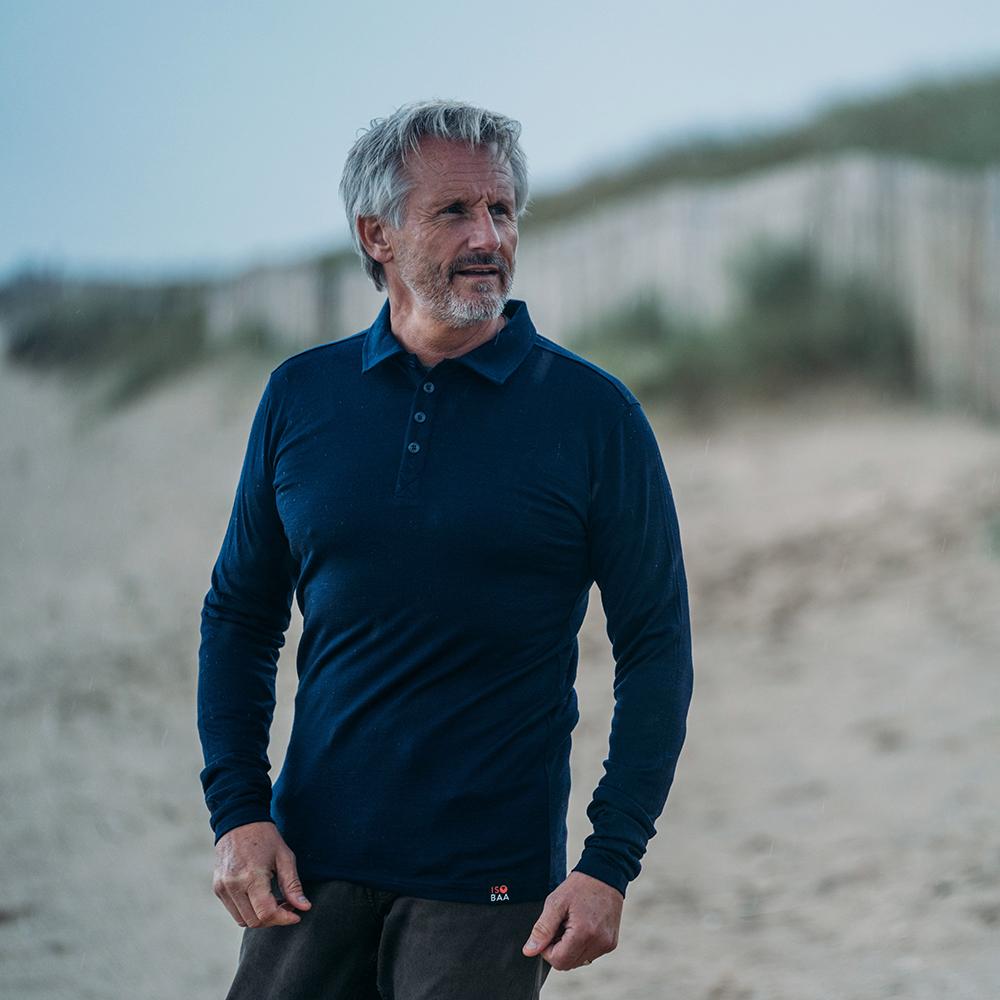
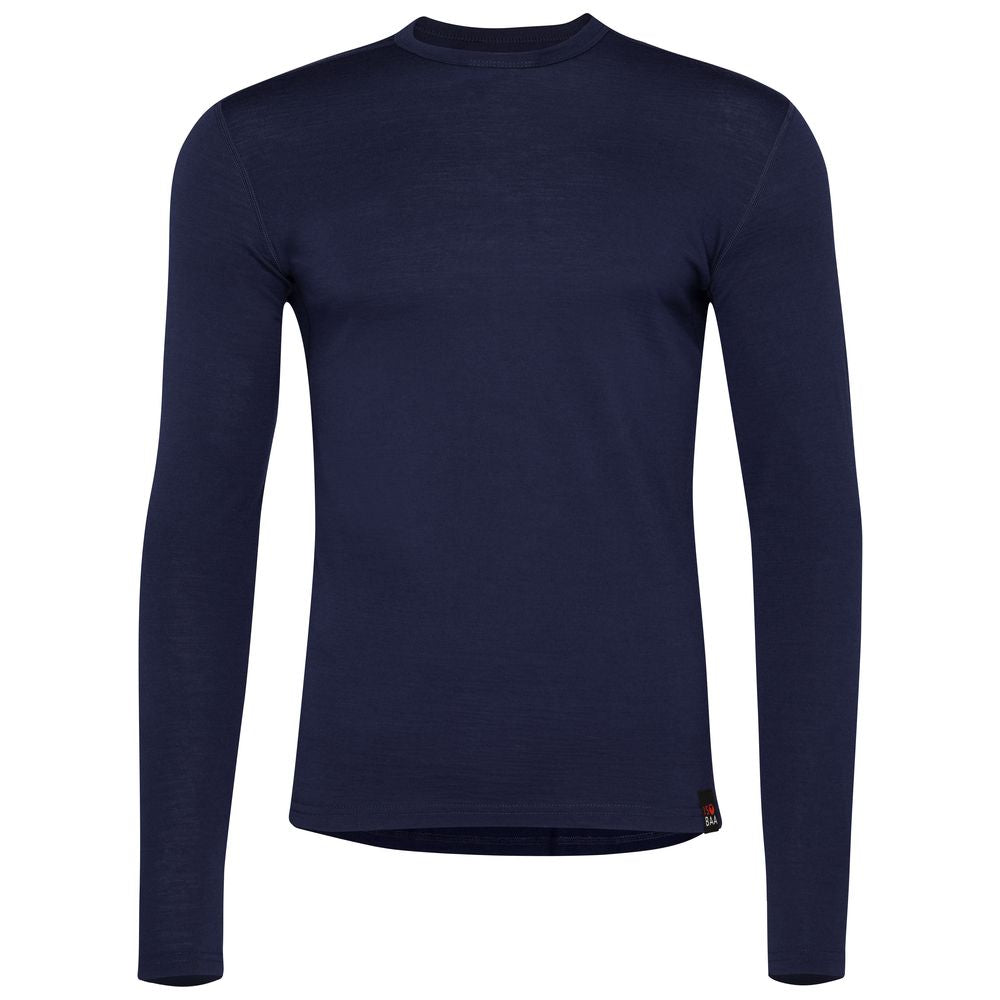
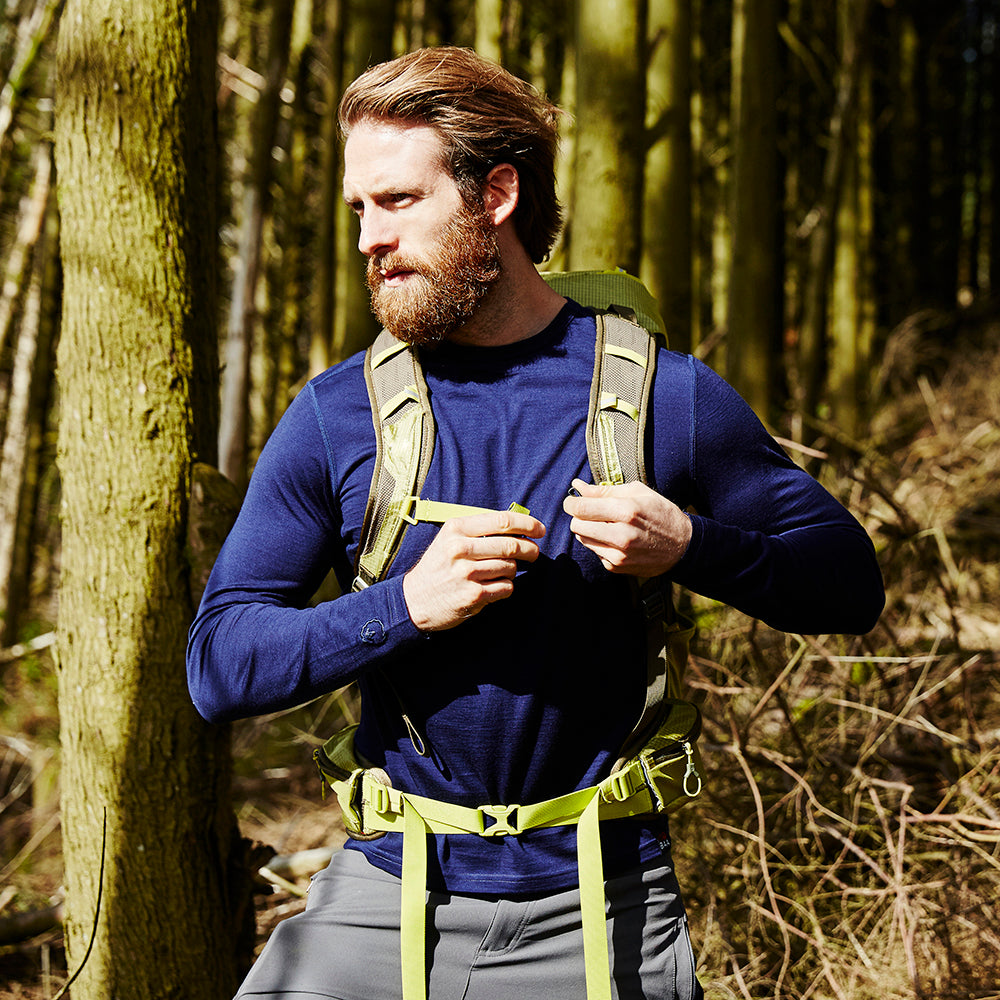
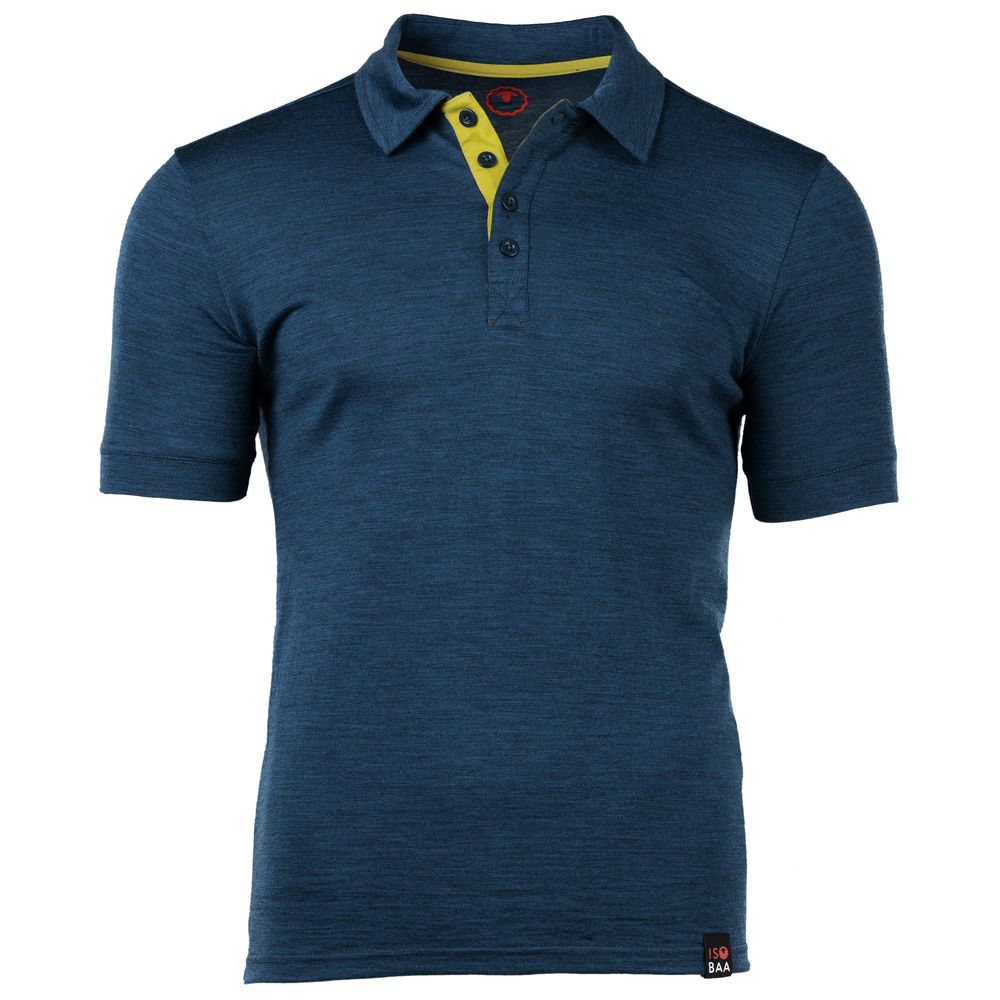
- Base layer: a lightweight merino t-shirt or long-sleeve against the skin, doing the moisture and odour management.
- Mid layer: a heavier merino or merino-blend fleece for insulation on colder days, easily removed as you warm up.
- Socks: merino hiking socks reduce blisters as well as smell, since a drier foot is a happier foot.
- Shell: a waterproof or windproof outer layer on top, since merino manages moisture from the inside but isn't built to fend off horizontal rain.
The classic mistake is over-layering with synthetics underneath a good shell and wondering why you're still swampy by lunch. Swap the base layer for merino first. It's the single change that makes the biggest difference.

So, is merino wool good for hiking?
For all but the hottest, shortest walks, merino is one of the few fabric choices that genuinely earns its reputation. It regulates temperature, manages moisture, resists odour, and does it all in a fibre soft enough to wear next to skin all day. It isn't the cheapest option on the shelf, but it's one of the few that pays that cost back in comfort, every single hike.
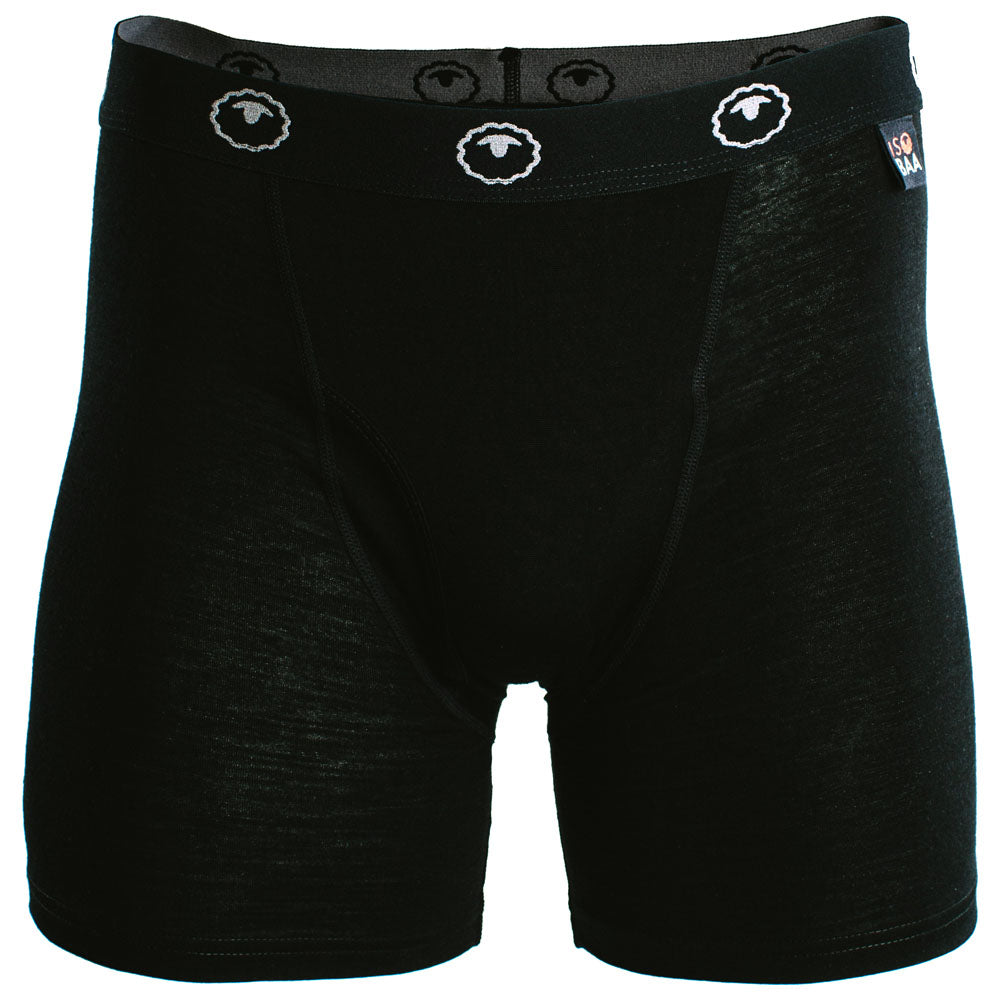
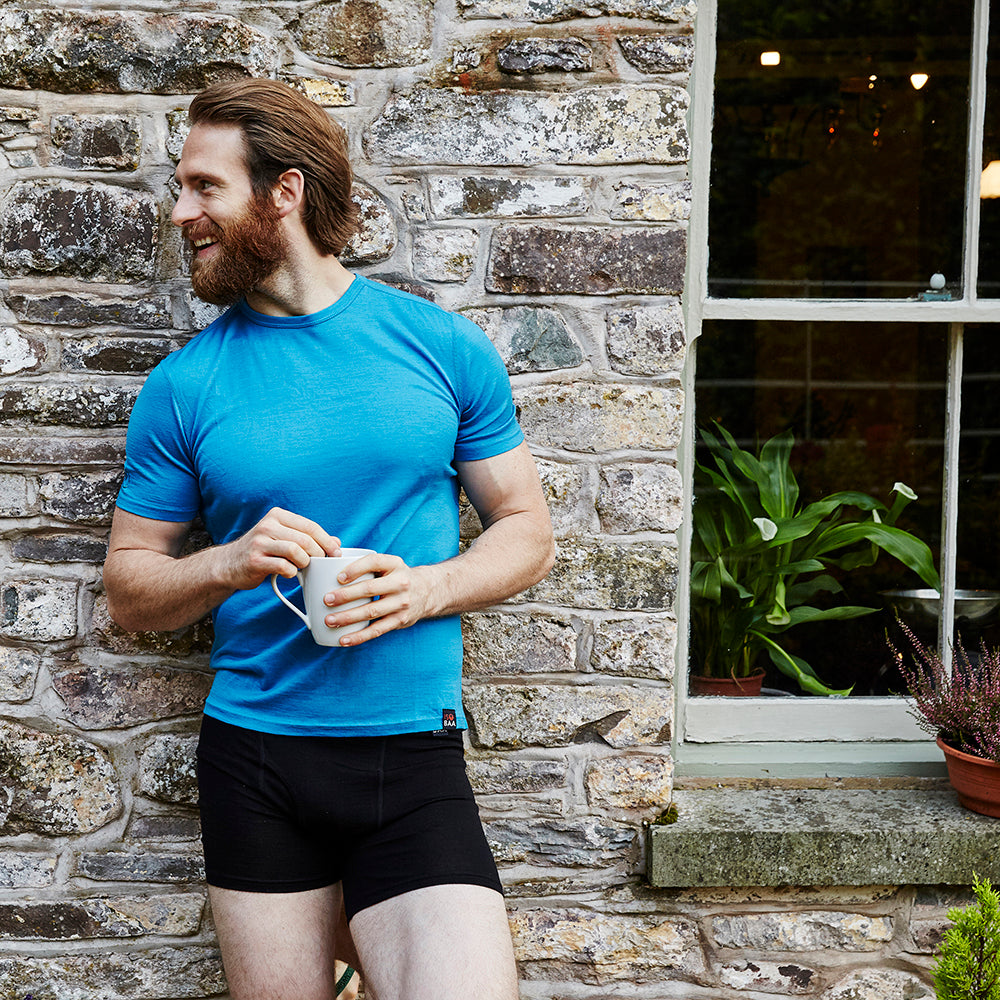
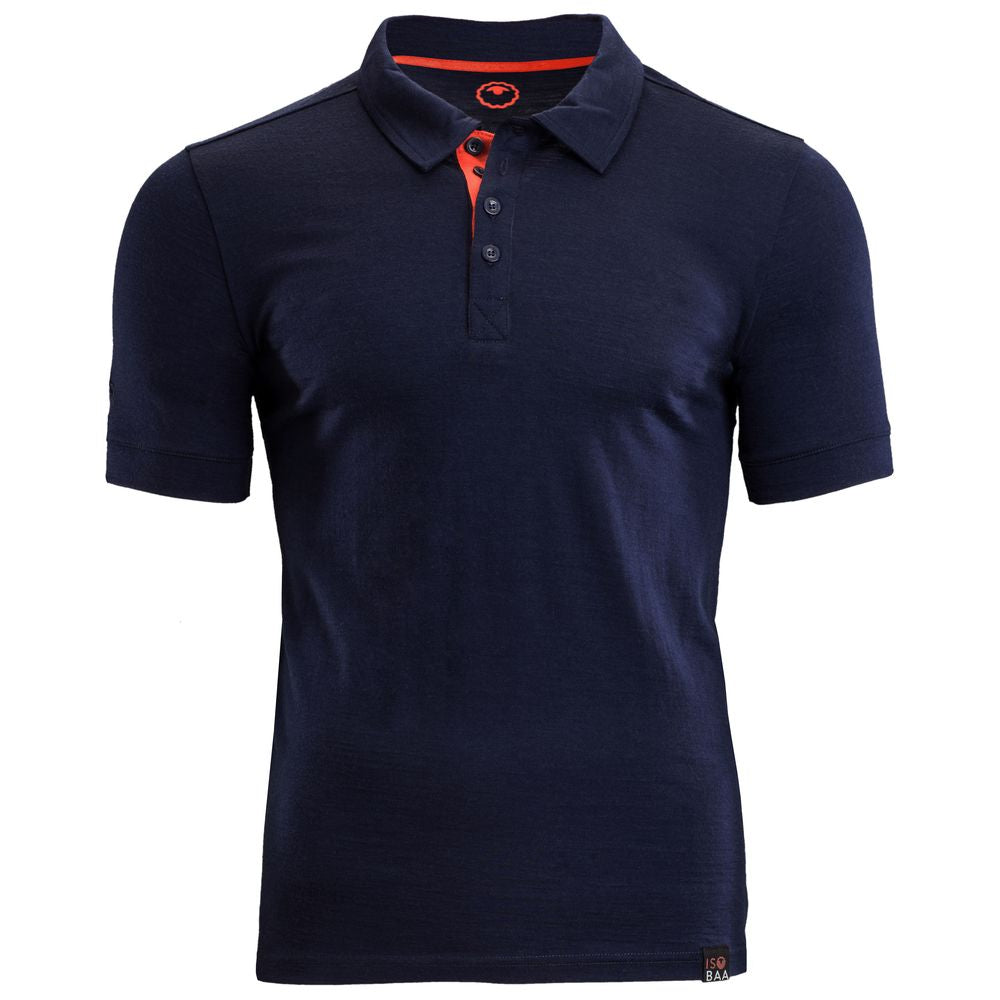
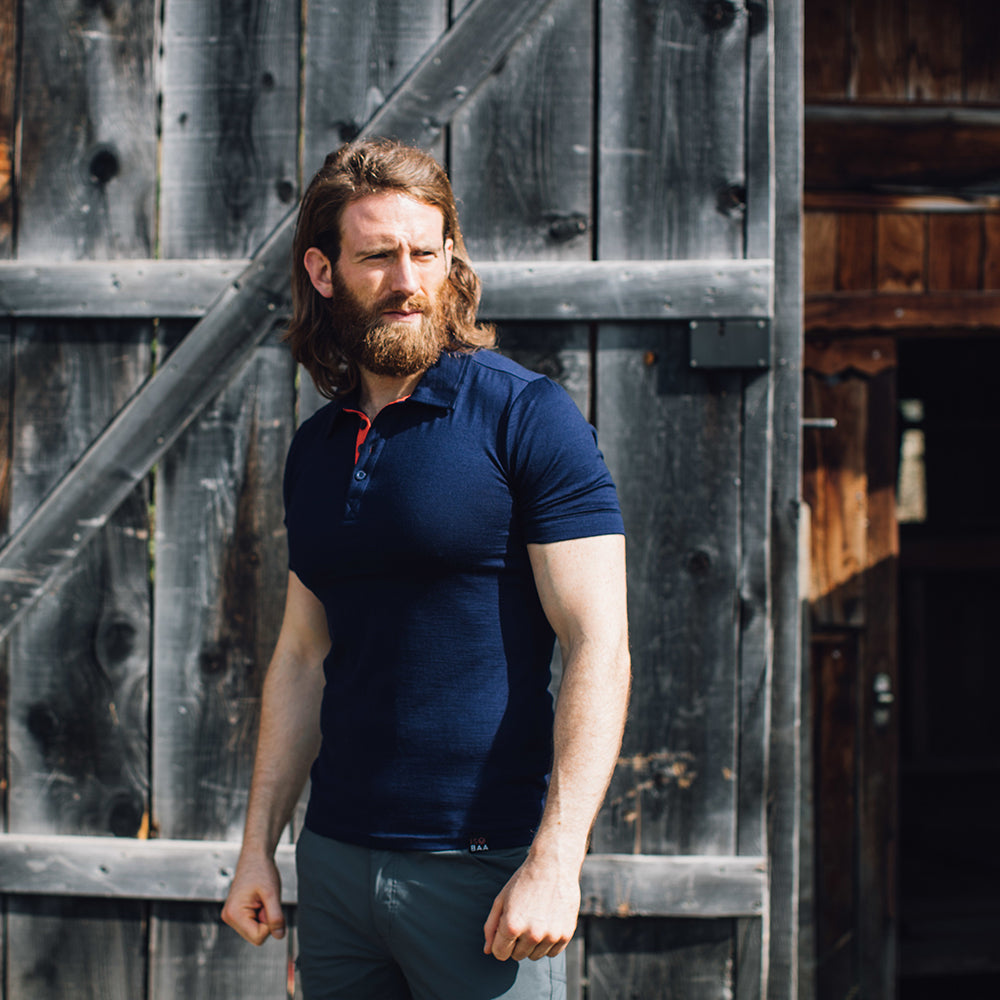
Shop merino hiking gear





Hinterlasse einen Kommentar
Diese Website ist durch hCaptcha geschützt und es gelten die allgemeinen Geschäftsbedingungen und Datenschutzbestimmungen von hCaptcha.